Sumpa Ang Maging Panganay and Why It Hits So Hard

You’ve probably seen “sumpa ang maging panganay” all over your feed. Maybe you laughed. Maybe you scrolled back up and read it again. And maybe, for a second, it didn’t feel like a joke anymore.
It felt like someone finally said the quiet part out loud.
If you’re the eldest in a Filipino family, you already know. The extra chores. The extra blame. The extra expectations that came with being born first, even though nobody asked if you wanted the job.
What Does “Sumpa Ang Maging Panganay” Mean?
Panganay means the eldest or firstborn child. “Sumpa ang maging panganay” translates to “being the eldest is a curse.”
People don’t say it because they hate their families. Most of us love our families so much it hurts. We say it because it’s the only way to describe something this heavy without crying in the middle of a sentence.
It’s a joke on the outside. Underneath, it’s tired.
The Job You Got the Day You Were Born
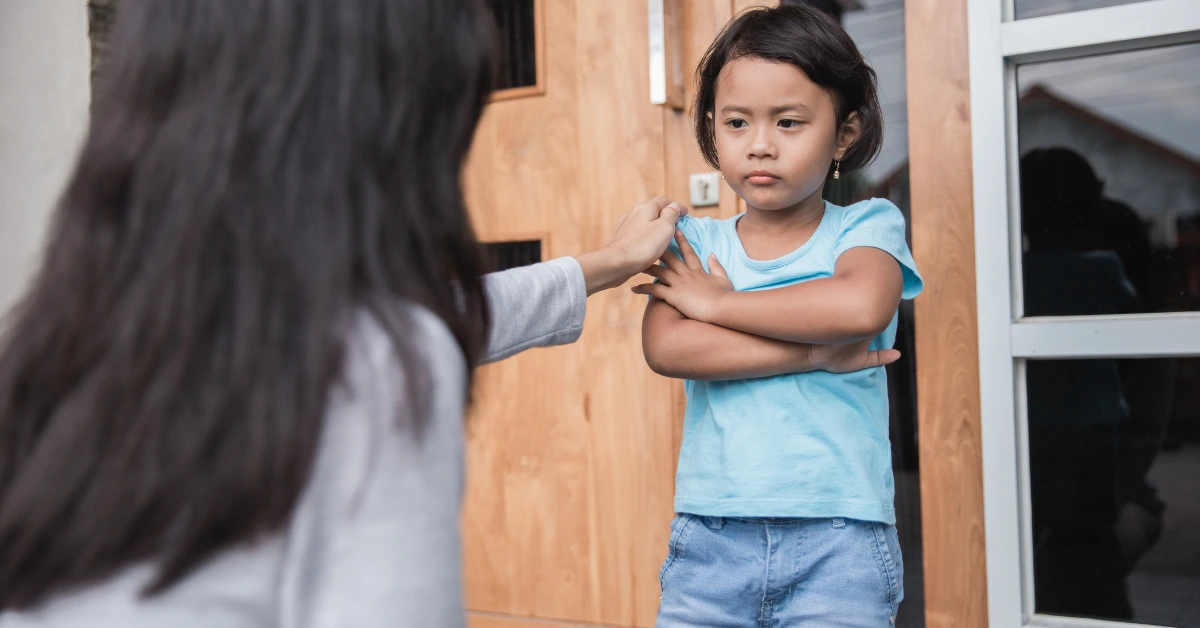
Being panganay starts early. Before you even understand what responsibility means, you’re already holding it.
“Bantayan mo ang mga kapatid mo.” (Watch your siblings.)
“Ikaw ang panganay, ikaw ang dapat umintindi.” (You’re the eldest, you should be the one to understand.)
“Ate ka, dapat ikaw ang magbigay.” (You’re the older sister, you should give way.)
A lot of us remember the little things. Getting scolded because your younger sibling cried. Giving up the bigger slice, the new toy, the window seat. Being told to set a good example when you were still a kid yourself.
You learn to be the example. The second parent. The one who doesn’t make trouble because there’s already enough of it. And you get so used to it that you stop noticing how much you’re carrying.
When the Panganay Becomes the Breadwinner
Then you grow up, get your first job, and the role changes. Now you’re not just the example. You’re the backup plan.
“Padala ka naman.” (Please send something.)
“May pang-tuition ka ba ng kapatid mo?” (Do you have money for your sibling’s tuition?)
“Ikaw na bahala.” (You take care of it.)
Your first salary doesn’t feel like yours. Your bonus already has a list. You feel guilty buying yourself something nice, even when you worked hard for it, because somewhere in your head you’re thinking someone at home needs it more.
I know this feeling. I still feel guilty when I say no. I still overthink it when I delay sending money. Like saying “not this month” somehow means I don’t love them enough.
Nobody prepares you for how lonely it feels to be everyone’s safety net while having none of your own.
Panganay, Tagasalo, and Eldest Daughter Syndrome
There’s actually a name for the role a lot of us play. In Filipino families, the tagasalo is the one who catches everything. The problems, the bills, the emotions, the mess nobody else wants to hold.
Online, people call it eldest daughter syndrome. It’s not a medical diagnosis, just a name for what happens when the eldest, usually the ate, gets handed adult responsibilities way too early. Taking care of siblings. Keeping the peace. Worrying about money before she’s even old enough to earn it.
Kuya has it heavy too. But a lot of átes carry an extra layer. You’re expected to provide like a breadwinner and still do everything at home like nothing changed.
If you’ve ever read a post about it and felt personally attacked, you’re not alone.
The Responsibility of Being Panganay Nobody Talks About
It’s not just the money. It’s everything that comes with it.
You’re the one who explains things to your parents. The one who gets the call when something goes wrong. The one who keeps the peace between siblings, handles the paperwork, and makes the hard decisions when no one else wants to.
You’re expected to be strong all the time. To not complain. To not need anything.
And the hardest part? You start believing it. You start thinking your feelings matter less because you’re the one who’s supposed to be okay.
So Is It Really a Curse?
I don’t think being panganay is a curse. I think carrying it alone is.
Being the eldest also made me who I am. I learned to be responsible early. I learned how to take care of people. I learned to show up even when I didn’t feel like it. Those parts of me are good, and I’m proud of them.
But I also learned to put myself last. To feel guilty for resting. To think love meant giving until there was nothing left.
That part, I’m still unlearning.
How to Cope as a Panganay Without Losing Yourself
I don’t have this all figured out. Some days I still feel guilty saying no. But these are the things that helped me breathe a little.
- Decide what you can give before anyone asks. A set amount for padala each month makes it easier to say “this is what I can do” without explaining yourself every time.
- Let your siblings step up. They might surprise you. And if they don’t, it still isn’t automatically your job.
- Say no to one thing. Just one. Watch the world not end.
- Find other panganays. There are whole online groups of eldest kids sharing the same story. Reading them feels like being hugged by strangers who get it.
- Rest without earning it. You don’t have to finish everything first. You’re allowed to be tired.
You can love your family and still protect your peace. Both can be true. If you feel like you’ve disappeared somewhere along the way, I wrote about finding yourself again too.
Breaking the Cycle With My Own Kids
Now I’m a mom, and I have my own eldest. Some days I catch myself almost saying it. “Ikaw ang ate, dapat ikaw ang mas nakakaintindi.” (You’re the big sister, you should understand better.)
But I stop. Because I remember how heavy those words felt.
I don’t want her to grow up thinking she’s responsible for everyone’s happiness. I want her to be a kid. To make mistakes. To know that being born first doesn’t mean she has to give up being taken care of.
I wrote more about this in Breaking the Cycle as the Eldest Child in a Filipino Family, and about unlearning the way we were raised in Gentle Parenting vs the Kurot Culture.
Quick Questions About Being Panganay
What does panganay mean in English?
Panganay means the eldest or firstborn child in the family.
Why do Filipinos say “sumpa ang maging panganay”?
It’s a way to describe the pressure a lot of Filipino eldest children feel, from taking care of siblings to helping support the family financially. It’s usually said half jokingly, but it comes from real exhaustion.
What is a tagasalo?
The tagasalo is the family member who “catches” everyone’s problems. In many Filipino families, that’s the panganay.
Is it normal to feel guilty for setting boundaries with family?
Yes. A lot of panganays feel that way, especially if you grew up hearing that family always comes first. Feeling guilty doesn’t mean you’re doing something wrong. It usually means you’re doing something new.
To the Panganay Reading This…
You’re not selfish for wanting your own life. You’re not ungrateful for being tired. You’re not a bad daughter or son for saying “not this time.”
You’ve been strong for a long time. Longer than anyone probably realizes.
So here’s your permission to put some of it down. Not all at once. Just a little at a time.
You were someone’s child too. You still are.

Mommy Ces
Mom of three, figuring things out one day at a time. I write about the real parts of motherhood, the messy days, the little wins, and all the in-betweens that don’t always make it to Instagram. This space is a mix of stories, reflections, and reminders that you're not alone.